

10 Great Ways to Protect Your Hands
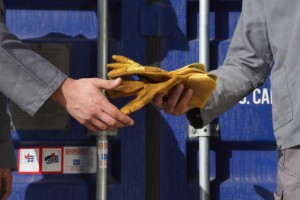 Pushing, pulling, lifting, grasping, pinching — all of these activities become much more difficult, if not impossible, without our hands. Yet, despite how vital our fingers, wrists, hands, and arms are to everyday activities, they’re often the first things to be left unprotected.
Dangers range from lower-grade, healable injuries like strains, sprains, bruises, pinches, and lacerations to severe traumas such as breaks, amputations, burns, and carpal tunnel syndrome. But no matter the severity, any hand injury is detrimental, so please take the appropriate steps to protect these ever-important appendages.
- Always use appropriate personal protective equipment (PPE). Gloves protect you from minor pinches, cuts, and scrapes, but they also provide a barrier between your skin and caustic or other hazardous materials. Check your gloves for wear and tear, and get a new pair as necessary.
- Pay attention. If you’re distracted, put down the tool you’re using and come back to the job when you can give it 100% of your focus.
- Prevent falls. When people fall, they most often brace themselves with their hands, which can result in sprains, strains, breaks, and cuts. A combination of good balance, good housekeeping, and following climbing and ladder safety protocols will help prevent falls.
- Remember your non-dominant hand. Because we usually hold a tool in our dominant hand, it’s easy to keep track of what it’s doing. Most lacerations happen when the non-dominant hand gets in the way of the tool. This is particularly true for left-handed workers; many have adapted to using their non-dominant hand with certain pieces of equipment or tools that are made for right-handed people only, so it can be easier to lose control.
- Be aware of alignment. Pay attention to how you hold your hands: If you’re straining your wrist or reaching awkwardly, readjust your position. Similarly, stop every now and then to stretch your arms, wrists, hands, and fingers to keep them from getting stiff.
- Don’t rely on your reflexes. Never try to grab or move something out of the way of a moving machine or tool. Remember: Act smart, not fast.
- Don’t reach blindly. Never put your hands in places you can’t see.
- Be tidy. Always clean up spills and messes right away and do so using the appropriate protective equipment.
- Use safety guards. Never disable equipment safety guards or ignore warning labels, and always remove jewelry and loose clothing before using machinery.
- Develop an eye for safety. Don’t just follow the rules blindly; always be on the lookout for new hazards, damaged tools, and unsafe behaviors and report them immediately.
Never take your hands for granted. GIW makes appropriate gloves and other PPE available at all times. If you don’t have these items or can’t locate them, please say something — we’re always here to give you a hand.